


Carp Rods
Carp fishing rods for all abilities and budgets.

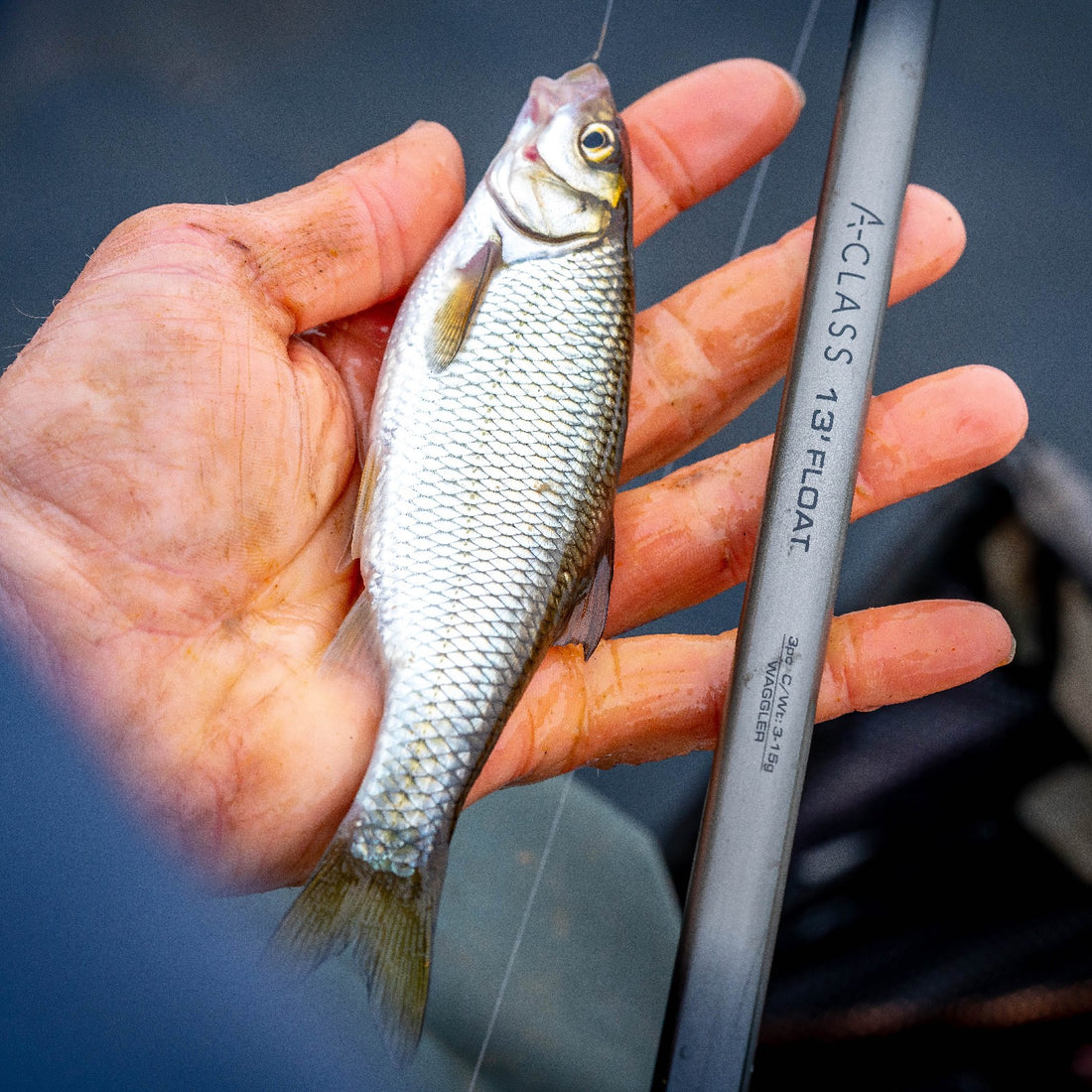
Float Rods
Beginners and expert level float rods to 17ft.

Feeder Rods
Light, distance and method feeder rods

Lure/Spinning Rods
From ultra light to heavy lure rods.

Barbel Rods
Barbel rods for every river.

Catfish Rods
The heaviest rods for the heaviest fish in the UK.

Perch Rods
Light and ultra light rods perfect for perch.

Pike Rods
Deadbait and heavy lure rods for pike.

Bream Rods
Feeder and specialist rods for bream

Travel Rods
Small and telescopic rods for travelling light.

Tench Rods
Feeder, float and specimen rods for tench

Gifts & Presents
Perfect presents for anglers!
Classic Rods & Our Picks
Trending This Week


Save Over 10% On All Our Presents
Shop our birthday bundle deals for anglers of all ages & abilities.


Carp fishing rod buyers guide
Carp fishing rod buyers guide
The Ultimate Guide to Carp Fishing Rods: Everything You Need to Know
Carp fishing is one of the most rewarding forms of coarse angling, and having the right fishing rod can make all the difference. Whether you’re targeting a small lake carp or hunting monster carp on a large river, choosing the correct rod influences your casting distance, hook setting, fish playing, and overall angling experience. This guide covers everything from how carp rods work, the types available, the best sellers, tips for using them effectively, and advice on buying the right rod for your fishing style.
1. How Carp Fishing Rods Work
A carp fishing rod is more than just a stick with guides—it’s a finely tuned tool designed to balance casting power, sensitivity, and strength to safely land carp. Here’s how they work:
1.1 The Blank
The blank is the core of the rod, usually made of high-modulus carbon fibre or a carbon composite. The blank determines the rod’s action, strength, and sensitivity.
Fast action rods flex mostly at the tip and mid-section, ideal for long-distance casting and quick hook sets.
Progressive or semi-parabolic action rods bend more evenly along the length, offering smooth fish playing and less chance of hook pulls, particularly with larger carp.
1.2 Rod Action and Power
Rod action refers to how a rod bends under load:
Fast action: Tip bends first; more control for precise hook setting.
Medium/Progressive action: Mid to tip bends, absorbing sudden lunges from strong carp.
Heavy action: Thicker butt for maximum backbone, ideal for monster carp or strong river currents.
Rod power or “test curve” (e.g., 2.5lb, 3lb, 3.5lb) indicates the weight of lead required to flex the rod fully. For most UK lakes, 2.75lb to 3.5lb rods are standard.
1.3 Guides
The guides are the small rings along the rod through which the line passes. High-quality guides reduce friction, improve casting distance, and prevent line damage. Features include:
Material: Stainless steel with ceramic inserts for smooth line flow.
Design: Single-leg or twin-leg guides affect weight and blank flex.
Tip guide: Critical for preventing frap-ups when casting heavy leads.
1.4 Handles and Reel Seats
Handles are usually cork, EVA, or hybrid for grip and comfort. Reel seats secure your reel to the rod; high-quality seats prevent twisting and enhance control.
2. Types of Carp Fishing Rods
Carp fishing rods come in a variety of styles, each suited to different methods and conditions. Here’s a breakdown:
2.1 Standard Carp Rods
Length: 12ft to 13ft
Action: Fast or semi-parabolic
Usage: General purpose; suitable for most lakes and rivers
Typical test curve: 2.75lb to 3.5lb
These rods offer a balance of casting distance and fish playing ability, making them ideal for beginners and seasoned anglers alike.
2.2 Distance Rods
Length: 12ft to 14ft
Action: Fast tip with strong butt
Usage: Casting long distances on large lakes or rivers
Test curve: 3lb to 3.5lb or higher
Distance rods are designed for accurate long-range casting, often with stiff tips to compress the blank for extra distance.
2.3 Method Feeder Rods
Length: 12ft to 13ft
Action: Semi-parabolic for controlled lifting
Usage: Feeding small particles or pellets with a method feeder
Test curve: 2.5lb to 3lb
Method feeder rods allow delicate presentation while still having enough backbone to land carp from deeper waters.
2.4 Pellet Waggler Rods
Length: 12ft to 13ft
Action: Light tip for sensitive float fishing
Usage: Fishing pellets or small particles over short distances
Test curve: 2.5lb
These rods excel at stillwater float fishing for carp and F1s.
2.5 Specialist Specimen Rods
Length: 12ft to 14ft
Action: Semi-parabolic for controlled fish playing
Usage: Targeting large carp in stillwaters or rivers
Test curve: 3lb to 3.5lb
Specimen rods focus on power and sensitivity, perfect for trophy carp or big river fish.
3. Popular Carp Rod Options and Best Sellers
UK anglers have many brands and models to choose from. Here are some of the most popular carp rod ranges:
Drennan Red Range Carp Rods: Known for reliability and solid performance, suitable for general carp fishing.
Guru A-Class Feeder Rods: Designed for method and feeder fishing, with excellent progressive action.
One More Cast Black Pearl Rods: Premium rods with high-quality carbon and stylish design.
ESP Quickdraw 4K Rods: Compact, retractable rods ideal for mobile anglers.
ESP Terry Hearn Rods: Signature rods designed for precision, distance, and strength.
E-SOX Lureflex Rods: Predator-oriented but versatile for carp in certain setups.
Best sellers tend to be rods that balance performance, price, and versatility, often in the 12ft–13ft range with a 2.75lb–3.25lb test curve.
4. How to Use Carp Rods
Carp rods are versatile, but using them effectively requires understanding the casting and fish-playing principles:
4.1 Casting
Use smooth, controlled casts to avoid line twist or tangles.
When using distance rods, compress the blank during the cast to achieve maximum distance.
For method feeder or pellet waggler fishing, short underarm flicks are often sufficient.
4.2 Fish Playing
Keep the rod tip high to absorb fish runs.
Let the blank bend naturally; don’t fight against the fish aggressively.
Progressive action rods will distribute pressure evenly, preventing hook pulls.
4.3 Rod Care
Always rinse rods after fishing in dirty or brackish water.
Avoid knocking rods against hard surfaces.
Store vertically or horizontally in rod sleeves or cases to prevent warping.
5. How to Choose the Right Carp Rod
Choosing the right rod depends on venue, target fish, and fishing style. Consider the following:
5.1 Venue
Small lakes: 12ft standard or pellet waggler rods are ideal.
Large lakes: 12–13ft distance rods provide the reach needed.
Rivers: Heavier rods with good backbone help control fish in current.
5.2 Target Fish
Standard carp (2–10lb): 2.5lb–3lb rods.
Large carp (10lb+): 3lb–3.5lb or 3.5lb–4lb rods.
Mixed species (bream, tench, chub): Progressive action specimen rods.
5.3 Fishing Style
Feeder fishing: Choose semi-parabolic rods with soft tips.
Float fishing: Pellet waggler or light float rods.
Long-range casting: Distance rods with fast tips.
Mobile fishing: Compact or telescopic rods like the Quickdraw 4K.
5.4 Budget
Carp rods range from £50 to £400+. For beginners, a £100–£150 rod is sufficient. More advanced anglers may invest in premium carbon rods with extra-sensitive blanks and stylish finishes.
6. Popular Rod Setups
Many anglers use three-rod setups as a standard for a session:
Distance Rod: For long-range casting and targeting distant carp.
Feeder Rod: For precision baiting with method feeders or pellet feeders.
Specimen Rod: For playing big fish safely in tricky swims or snaggy waters.
This combination covers most fishing scenarios without carrying excessive gear.
7. Accessories and Add-Ons
To complement your carp rod:
Rod Pod or Bank Sticks: Keep rods stable and adjustable.
Bite Alarms: Alert you to a take, especially at night.
Rod Sleeves: Protect rods during transport.
Carrying Cases: Essential for telescopic or premium rods.
High-quality accessories protect your investment and enhance the overall carp fishing experience.
8. Tips from Experienced Anglers
Always match your rod to your line and reel; using a light rod with heavy braided line can reduce performance.
Practice casting to familiarise yourself with tip flex and distance.
When playing big carp, keep pressure steady and let the rod absorb sudden runs.
Regularly check guides and fittings for wear to maintain performance.
9. Summary
Choosing the right carp rod is one of the most important decisions for a successful angling experience. Key points to remember:
Consider length, action, and test curve based on venue and target species.
Select rods that balance sensitivity and power for smooth fish playing.
Popular ranges like Drennan Red Range, Guru A-Class, ESP Quickdraw, and One More Cast Black Pearl provide excellent options for all levels.
Think about your fishing style, budget, and transport requirements.
Use rods with high-quality guides, handles, and reel seats for comfort and durability.
10. Final Thoughts
Carp fishing is about patience, technique, and the right tools. A good rod isn’t just about distance or price—it’s about confidence, performance, and enjoying every session. With the right carp rod, you can cast accurately, detect subtle bites, play fish smoothly, and bring home memorable catches.
Whether you’re a beginner starting with a standard 12ft 2.75lb rod or an experienced angler using a premium distance or specimen rod, investing time to choose the right rod will pay off in hours of enjoyment and successful carp captures.
How to buy the right feeder fishing rods
How to buy the right feeder fishing rods
The Ultimate Guide to Feeder Fishing Rods
Feeder fishing is one of the most effective and rewarding forms of coarse angling, giving anglers the ability to present bait precisely at distance while attracting fish with groundbait or pellets. The right feeder rod is essential for accurate casting, sensitive bite detection, and confident fish playing, whether you’re targeting roach, bream, carp, or chub. This guide covers how feeder rods work, types available, popular options, usage tips, and how to buy the right rod for your style.
1. How Feeder Fishing Rods Work
Feeder rods are designed to handle a range of feeder weights while maintaining sensitivity to detect subtle bites. Unlike standard coarse rods, they combine casting power, tip sensitivity, and progressive action for precise bait delivery and control over the fish once hooked.
1.1 The Blank
The blank is the backbone of a feeder rod, typically made from high-modulus carbon fibre for lightness, sensitivity, and strength. The blank determines:
Action: How the rod bends under load.
Sensitivity: Ability to feel subtle bites through the tip.
Power: Backbone to control and land fish, especially in fast-flowing rivers.
Feeder rods often feature a semi-parabolic action, allowing the tip to flex under light bites while the mid and butt provide progressive power during the fight.
1.2 Rod Action and Tip Strength
Fast action: Rod bends mostly at the tip; ideal for light feeders and quick hook sets.
Progressive/semi-parabolic action: Distributes pressure evenly along the blank, reducing hook-pulls on larger fish.
Tip strength: Light tips for finesse and small feeders, medium to stiff tips for long-distance casting or heavier river feeders.
1.3 Rod Length
Rod length affects casting distance, control, and comfort:
10ft–11ft rods: Compact, perfect for close rivers or canals.
12ft rods: Versatile, standard for most commercial fisheries, lakes, and rivers.
13ft–14ft rods: Long-range rods for large lakes or wide rivers.
1.4 Guides
High-quality guides are crucial for smooth casting and minimal friction:
Material: Stainless steel with ceramic or Alconite inserts for line protection.
Design: Single-leg or twin-leg guides, carefully spaced to reduce blank interference.
Tip guide: Larger guides prevent frap-ups when casting heavier feeders.
1.5 Handles and Reel Seats
Handles: Cork, EVA, or hybrid handles for comfort during long sessions.
Reel Seats: Lightweight and secure, allowing a stable connection with the reel for consistent performance.
2. Types of Feeder Fishing Rods
Feeder rods are specialised based on venue, target species, and feeder style. The main types include:
2.1 Standard Feeder Rods
Length: 12ft
Action: Semi-parabolic or medium
Usage: General-purpose feeder fishing in lakes, canals, and rivers
Ideal for: Roach, bream, chub, small to medium carp
Standard rods offer a balance of casting distance and fish playing ability, making them perfect for everyday angling.
2.2 Heavy/Long-Range Feeder Rods
Length: 12ft–13ft
Action: Fast tip with strong mid and butt
Usage: Long-distance casting in large lakes or rivers
Ideal for: Carp, tench, barbel
These rods allow accurate long-distance placement and provide the backbone to control bigger fish.
2.3 Light or River Feeder Rods
Length: 10ft–12ft
Action: Light tip with progressive blank
Usage: Finesse fishing in small rivers or tight swims
Ideal for: Roach, dace, chub, small bream
Light feeders allow for subtle presentation and sensitive bite detection, particularly in fast-flowing waters.
2.4 Method Feeder Rods
Length: 12ft–13ft
Action: Semi-parabolic
Usage: Commercial lakes and short to medium-range carp fishing with method feeders
Ideal for: Carp, F1s, and small bream
Method rods are designed for precision pellet or groundbait presentation, combining sensitivity with enough backbone to land carp.
2.5 Pellet Feeder Rods
Length: 12ft
Action: Fast or medium tip
Usage: Short-range float or feeder fishing with pellets
Ideal for: Carp, F1s, and tench in commercial fisheries
Pellet rods excel in stillwater scenarios where accurate baiting and light presentation are key.
3. How to Use Feeder Rods Effectively
3.1 Casting
For short-range fishing: Use an underarm or flick cast for precision.
For long-range or heavy feeders: Compress the blank during the cast for distance and accuracy.
Always ensure the feeder lands softly to avoid spooking fish.
3.2 Bite Detection
Watch the rod tip carefully: even slight twitches indicate bites.
Use sensitive tips for subtle bites; stiff tips for larger, aggressive fish.
3.3 Fish Playing
Use the rod’s progressive action to absorb sudden runs.
Keep the tip up and allow the rod to bend naturally.
Adjust reel drag to match fish size and current strength.
3.4 Rod Maintenance
Rinse after use, especially in dirty or silty waters.
Store rods in rod sleeves or cases to prevent warping.
Inspect guides, handles, and reel seats regularly for wear.
4. Popular Feeder Rod Options
UK anglers have access to a variety of high-quality feeder rods:
Guru A-Class Feeder Rods: Progressive action, perfect for method and short to medium range feeder fishing.
Drennan Acolyte Feeder Rods: Durable, sensitive, and versatile rods for commercial fisheries and rivers.
Drennan Red Range Medium Feeder Rods: Stiff enough for long-range casting, yet sensitive for subtle bites.
One More Cast Black Pearl Rods: Premium carbon blanks with powerful tips for specimen carp fishing.
ESP Quickdraw 4K Feeder Rods: Compact, portable rods ideal for mobile anglers and rivers.
These rods are best sellers due to reliability, sensitivity, and versatility across a wide range of feeder techniques.
5. Choosing the Right Feeder Rod
When buying a feeder rod, consider the following:
5.1 Venue
Small rivers/canals: Shorter rods with light tips.
Lakes and large rivers: 12–13ft rods for distance and control.
Snaggy waters: Stiffer rods for better fish control.
5.2 Target Species
Roach, dace, small bream: Light or medium rods with 1–2oz feeder weight.
Carp, tench, barbel: Medium to heavy rods, 2.5–3.5lb test curve, feeders up to 4oz.
5.3 Fishing Style
Short-range precision: Method and light feeders.
Long-range coarse fishing: Heavy or long-range feeders.
Mobile fishing: Compact or telescopic feeder rods.
5.4 Budget
Beginner: £50–£120 rods are suitable for general feeder fishing.
Intermediate: £120–£200 rods offer better sensitivity, carbon construction, and guides.
Advanced: £200+ rods provide premium materials, exceptional balance, and long-lasting durability.
6. Feeder Rod Comparison Table
Rod Type
Length
Action
Test Curve
Feeder Weight
Best Use
Key Features
Standard Feeder
12ft
Semi-parabolic
2–3lb
1–3oz
General coarse fishing
Versatile, sensitive tip, reliable
Heavy/Long-Range Feeder
12–13ft
Fast tip
3–3.5lb
3–5oz
Long-range lakes/rivers
Power for big fish, accurate distance casting
Light/River Feeder
10–12ft
Light tip
1.5–2.5lb
1–2oz
Small rivers/canals
Subtle presentation, sensitive tip
Method Feeder
12–13ft
Semi-parabolic
2.5–3lb
1–3oz
Commercial lakes, method feeder fishing
Accurate pellet presentation, balanced action
Pellet Feeder
12ft
Fast/medium tip
2–3lb
1–2oz
Short-range pellet fishing
Sensitive, short-range accuracy, carp/F1 specialist
7. Tips for Using Feeder Rods
Match feeder weight to rod action: Light feeders for delicate bites, heavy feeders for distance or large fish.
Practice casting: Understand how your rod compresses and releases during casting.
Keep the tip sensitive: Don’t over-tighten the reel drag; the rod tip should detect subtle bites.
Play fish smoothly: Let the rod absorb shocks and prevent hook pulls.
Adjust for venue conditions: Stiff rods in strong currents, softer rods in still waters.
8. Popular Feeder Rod Setups
Many anglers carry two to three feeder rods:
Standard feeder rod: For general-purpose fishing on lakes or rivers.
Method feeder rod: For precision pellet or groundbait presentation in commercial waters.
Heavy/long-range rod: For targeting carp, barbel, or bream at distance.
This combination ensures anglers are prepared for a variety of species and fishing conditions.
9. Final Thoughts
Feeder fishing rods are specialised tools that combine sensitivity, power, and casting precision. Choosing the right rod depends on target species, venue, feeder type, and angling style. Popular ranges like Guru A-Class, Drennan Acolyte, Drennan Red Range, and One More Cast Black Pearl provide reliable options for both beginners and experienced anglers.
With the right feeder rod, you can enjoy accurate bait placement, subtle bite detection, and controlled fish playing, leading to more consistent catches and a more enjoyable angling experience.
Investing in the correct rod, combined with proper technique, ensures that feeder fishing is productive, exciting, and rewarding, whether you’re fishing a small river, a commercial lake, or a large river system.
Complete guide to buying the perfect float fishing rods
Complete guide to buying the perfect float fishing rods
The Ultimate Guide to Float Fishing Rods
Float fishing is one of the most versatile and enjoyable forms of coarse angling. Whether you’re targeting roach, bream, carp, tench, or chub, a good float rod is essential for accurate presentation, subtle bite detection, and successful fish playing. Choosing the right float rod can drastically improve your catch rate and overall enjoyment on the bank. This guide explains how float rods work, the types available, usage tips, popular models, and advice for buying the right rod.
1. How Float Fishing Rods Work
A float rod is designed to present bait delicately on the water while providing the backbone to land fish. Unlike carp rods or lure rods, float rods are optimised for sensitivity, balance, and precise control, allowing anglers to detect even the smallest nibble.
1.1 The Blank
The blank is the core of the rod, usually made from high-modulus carbon fibre or composite materials. The blank determines:
Action: How the rod bends under load.
Sensitivity: Ability to detect bites through the tip.
Power: Backbone to control fish.
Float rods typically have a soft tip for sensitivity, but a progressive mid-section and butt for fighting fish effectively.
1.2 Rod Action
Fast action: Bends mainly at the tip; ideal for quick hook-setting and lightweight presentation.
Medium/Progressive action: Bends more along the mid-section; excellent for controlling fish while still detecting bites.
Slow action: Bends along the entire rod; useful for finesse work with very small baits.
1.3 Rod Length
Length affects casting distance, leverage, and bite detection:
10ft–11ft rods: Shorter rods for small rivers, tight swims, or close-quarters fishing.
12ft–13ft rods: Standard length for lakes, commercial fisheries, and general coarse angling.
14ft–17ft rods: Long rods for wide rivers, deep canals, or situations requiring long casts.
1.4 Guides
Float rods use smaller guides to minimise line friction and improve sensitivity. High-quality guides prevent line tangles and wear:
Single-leg guides: Light and reduce blank interference.
Alconite or ceramic inserts: Smooth line flow, ideal for mono or fluorocarbon lines.
1.5 Handles and Reel Seats
Handles: Cork, EVA, or hybrid handles for comfort and grip during long sessions.
Reel Seats: Lightweight, secure reel seats to maintain rod balance and control.
2. Types of Float Fishing Rods
Float rods are available in multiple styles, each designed for specific fishing scenarios:
2.1 Standard Float Rods
Length: 12ft–13ft
Action: Medium to fast
Usage: General-purpose, commercial fisheries, lakes, and rivers
Ideal for: Roach, bream, small carp, tench
2.2 Pellet Waggler Rods
Length: 12ft–13ft
Action: Light tip for sensitive float fishing
Usage: Fishing pellets or small particles over short distances
Ideal for: Carp and F1s in stillwaters
2.3 Distance Float Rods
Length: 13ft–17ft
Action: Fast or semi-parabolic
Usage: Long-range casting in large lakes or rivers
Ideal for: Carp, tench, and barbel
2.4 Specimen Rods
Length: 12ft–14ft
Action: Semi-parabolic for controlled fish playing
Usage: Targeting large bream, tench, and carp
Features: Strong mid and butt sections to control big fish
2.5 Ultralight or Finesse Rods
Length: 10ft–12ft
Action: Very soft tip for light lines and delicate bait
Usage: Roach, dace, perch, and small bream
Ideal for: Small rivers, canals, and short swims
3. How to Use Float Rods Effectively
3.1 Casting
Use smooth, controlled casts to place the bait accurately.
Light float rods require gentle casting to prevent line twist.
Distance rods can be used for heavier rigs and longer casts on large venues.
3.2 Bite Detection
Focus on the tip: movement indicates a bite.
For subtle bites, especially with pellet wagglers or small floats, hold the rod lightly to feel every nibble.
3.3 Fish Playing
Keep pressure on the fish and let the rod absorb sudden lunges.
Progressive action rods reduce the risk of hook pulls on larger species.
Adjust drag on your reel to match rod action and fish size.
3.4 Maintenance
Rinse rods after fishing in dirty or brackish water.
Store in rod sleeves or cases to prevent warping.
Check guides and reel seats for wear regularly.
4. Popular Float Rod Options
UK anglers have a range of reliable and well-known float rods, including:
Drennan Acolyte Float Rods: Lightweight, sensitive, ideal for commercial fisheries and rivers.
Guru A-Class Pellet Waggler Rods: Excellent for small carp and F1s on short to medium distances.
Drennan Red Range Float Rods: Durable, versatile rods for specimen carp, bream, and tench.
ESP Floater XP: Premium surface and float rod for carp with soft tips and strong backbones.
Fox Rage Predator Float Rods: Versatile rods suitable for larger fish when using float tactics.
5. Choosing the Right Float Rod
When selecting a float rod, consider:
5.1 Venue
Small rivers: Shorter rods, light lines.
Large lakes: Longer rods for distance and control.
Deep canals or wide rivers: Long, stiff rods for precise bait placement.
5.2 Target Species
Roach, dace, or perch: Light, soft-tip rods.
Bream, tench, carp: Medium or specimen rods with stronger midsections.
5.3 Fishing Style
Stillwater pellet fishing: Pellet waggler rods.
Long-range coarse fishing: Distance float rods.
Delicate short swims: Finesse rods.
5.4 Rod Length & Test Curve
Length affects reach and leverage.
Test curve indicates strength: lighter rods for finesse, stronger rods for larger species.
6. Float Rod Comparison Table
Rod Type
Length
Action
Test Curve
Best Use
Key Features
Standard Float
12ft–13ft
Medium
2–3lb
General coarse fishing
Versatile, lightweight, all-round
Pellet Waggler
12ft–13ft
Light tip
2–2.5lb
Carp/F1 pellet float fishing
Sensitive tip for short-range, precise placement
Distance Float
13ft–17ft
Fast/Progressive
3–3.5lb
Large lakes/rivers
Long casts, controls large fish, robust mid/butt
Specimen Float
12ft–14ft
Semi-parabolic
3–3.5lb
Big carp, tench, bream
Smooth fish playing, strong backbone
Ultralight/Finesse
10ft–12ft
Soft
1–2lb
Small rivers, canals, perch/roach
Very sensitive tip, light rigs, delicate bites
7. Tips for Buying the Right Float Rod
Match rod length and action to venue and target species.
Consider lure or bait weight (e.g., pellets, maggots, corn, or larger boilies).
Think about transport—shorter rods are easier for mobile fishing, longer rods for large venues.
Check rod components—guides, reel seats, and handles should be durable and comfortable.
Set a budget—float rods range from £50 to £400+. Beginners can start with £50–£120 rods; advanced anglers may prefer premium carbon models.
8. Using Your Float Rod in Practice
For pellet fishing, keep a light tip for subtle bites.
For long-range coarse fishing, a distance rod allows accurate placement and control of bigger fish.
Always adjust drag to suit fish size and rod action.
Regularly practice casting to understand rod flex and bite sensitivity.
9. Popular Float Rod Setups
Many anglers carry two or three rods:
Standard float rod for general-purpose fishing.
Pellet waggler rod for short-range carp/F1 fishing.
Distance/specimen rod for targeting larger fish or long-range placements.
This setup covers most scenarios without overloading tackle bags.
10. Final Thoughts
Choosing the right float rod is crucial for accuracy, bite detection, and fish control. Understanding rod length, action, power, and purpose will help you pick a rod suited to your fishing style, venue, and target species. Popular rods like Drennan Acolyte, Guru A-Class, Drennan Red Range, and ESP Floater XP offer excellent options for both beginners and experienced anglers.
With the right float rod, you can enjoy long, productive sessions, detect subtle bites more effectively, and play fish smoothly without risk of losing them. Investing time in selecting the correct rod ensures that your float fishing is rewarding, effective, and enjoyable.
Buying the right lure fishing rods explained
Buying the right lure fishing rods explained
The Ultimate Guide to Buying the Right Lure Fishing Rod
Lure fishing is one of the most exciting forms of angling, offering the chance to actively chase species like pike, perch, zander, bass, and even trout. Unlike still bait fishing, lure fishing requires precision, timing, and the right tackle—especially the rod. Choosing the correct lure rod is essential for accurate casting, proper lure action, and successful hook sets. This guide will explain how lure rods work, the options available, how to use them effectively, and how to choose the right one for your fishing style.
⸻
1. How Lure Fishing Rods Work
A lure fishing rod is designed to cast artificial lures accurately and provide enough power to hook and fight a fish. Unlike general-purpose rods, lure rods must balance:
• Casting accuracy: Lures need to land where fish are feeding.
• Sensitivity: You need to detect subtle strikes or taps on the lure.
• Power: Enough backbone to drive hooks and fight strong fish.
• Action: Determines how the rod bends and how it controls the fish.
1.1 Rod Action
Rod action is critical in lure fishing:
• Fast action: Bends mainly at the tip; ideal for soft plastics, crankbaits, or jerkbaits. Quick hook-setting and precise lure control.
• Medium/Fast action: Bends more into the midsection; suitable for general spinning and trolling. Offers better shock absorption for hard-running fish.
• Slow action: Bends along the entire rod; generally used for very light lures and finesse techniques.
1.2 Rod Length
Rod length affects casting distance, control, and sensitivity:
• 6ft–7ft rods: Compact, ideal for close-range fishing, small rivers, or tight cover.
• 7ft–8ft rods: Versatile, suitable for most banks, lakes, and boat fishing.
• 8ft+ rods: Long rods for open water, trolling, or longer casts. Provide extra leverage on bigger fish.
1.3 Rod Power
Power refers to the rod’s ability to handle line and lure weight. Most rods are rated for lure weight (e.g., 10–30g, 15–50g, 20–70g). Selecting a rod with the correct power is essential:
• Light power (up to 20g): Small soft plastics, micro-jigs, and finesse lures.
• Medium power (15–50g): Crankbaits, spinnerbaits, jerkbaits, and medium soft plastics.
• Heavy power (50–100g+): Large swimbaits, heavy spoons, or big predator lures.
⸻
2. Types of Lure Fishing Rods
There are several types of rods designed for specific lure techniques:
2.1 Spinning Rods
• Most common type for freshwater lure fishing.
• Designed to work with spinning reels and monofilament or braid.
• Lightweight, sensitive, and precise for various lures.
2.2 Casting Rods
• Designed for baitcasting reels.
• Provide accuracy and control for heavier lures.
• Require more skill to prevent backlash but offer greater casting distance and power.
2.3 Jigging Rods
• Short, stiff rods ideal for vertical jigging or fishing deep waters.
• Very sensitive tip to detect subtle strikes from deeper species like zander or perch.
2.4 Boat Rods / Trolling Rods
• Longer rods (7–10ft) for trolling lures or live-bait rigs from a boat.
• Stronger but still sensitive for detecting bites at distance.
2.5 Predator Rods
• Designed for large predators such as pike or zander.
• Stiff backbone to handle heavy lures and strong fish. Often rated for 30–100g lures.
⸻
3. Popular Lure Rod Features
When buying a lure rod, consider the following features:
• Blank Material: High-modulus carbon fibre or graphite blanks provide sensitivity and light weight.
• Rod Action: Fast action rods for soft plastics and jerkbaits; medium for general lures; slow for finesse or very light lures.
• Length: Short rods for tight cover, longer rods for distance casting.
• Guides: Single-leg, twin-leg, or spiral guides. High-quality SiC inserts reduce line friction and improve casting distance.
• Handle Type: EVA or cork handles for comfort and grip. Some rods have split handles to reduce weight.
• Reel Seat: Secure and comfortable reel seat; must hold spinning or baitcasting reels firmly without twisting.
⸻
4. How to Use Lure Rods
4.1 Casting Techniques
• Overhead Cast: Standard cast for distance and accuracy.
• Sidearm Cast: Useful in tight spaces, low over obstacles.
• Pitch Cast: Short, precise cast to cover, banks, or under overhanging trees.
• Trolling: Dragging lures behind a moving boat with heavier rods.
4.2 Hook Setting
• With fast-action rods, allow the rod tip to flex and snap the hook into the fish’s mouth.
• Medium rods require a firmer sweep, especially with hard-bodied lures.
• Always keep pressure on the fish; don’t let it run freely.
4.3 Fish Playing
• Use the rod’s natural flex to absorb sudden lunges.
• Longer rods give leverage, but shorter rods allow quick reaction in tight areas.
• Always match rod action with line strength and lure type.
⸻
5. Popular Lure Rod Options
Some of the most popular lure rods in the UK market include:
• E-SOX Lureflex Rods: Fast, sensitive, and versatile rods for pike, perch, and zander. Available in 7–9ft with 10–50g lure rating.
• Daiwa Tournament Spinning Rods: Lightweight graphite rods for finesse and precise casting.
• Fox Rage Pike Rods: Stiff, strong rods for large predator lures and heavy lines.
• ESP Lure Rods: Premium carbon construction, suitable for serious predator fishing.
• Guru Acolyte Predator Rods: High sensitivity and moderate power, ideal for perch, zander, and pike.
⸻
6. Choosing the Right Lure Rod
When buying a lure rod, ask yourself these questions:
6.1 What Species Are You Targeting?
• Perch, roach, or small zander: light or medium rods with 5–25g lure rating.
• Pike or large zander: heavy rods, 30–100g lure rating, strong backbone.
6.2 What Fishing Style Do You Use?
• Bank casting: 7–8ft rods for distance and leverage.
• Boat or kayak: 6–7ft rods for tight handling.
• Trolling: 8–10ft rods with heavy lure rating.
6.3 What Type of Lures Will You Use?
• Soft plastics: fast-action rods for control and sensitivity.
• Crankbaits or spinnerbaits: medium rods for versatility.
• Heavy swimbaits or spoons: strong rods with high casting power.
6.4 Venue
• Small rivers: short rods, light lines.
• Large lakes: long rods for distance casting.
• Dense cover or weeds: stiffer rods for pulling fish free safely.
6.5 Budget
• Beginner: £50–£100 rods are good quality for most freshwater species.
• Intermediate: £100–£200 rods offer better sensitivity, strength, and durability.
• Advanced: £200+ rods provide premium carbon, high-end guides, and exceptional balance.
⸻
7. Rod Care and Maintenance
• Rinse after fishing in dirty or brackish water.
• Avoid striking the rod against rocks, boat sides, or hard surfaces.
• Store in rod sleeves or cases to prevent warping.
• Regularly inspect guides, handles, and reel seats for wear.
• Transport carefully, especially telescopic or multi-piece rods.
⸻
8. Tips from Experienced Anglers
• Match your rod to line and reel; heavy lines require stronger rods.
• Practice casting with different lures to understand rod flex and tip sensitivity.
• Play fish smoothly—allow the rod to absorb shocks.
• Use a rod that suits your venue, target species, and fishing style for maximum performance.
⸻
9. Summary
Lure fishing is an active and dynamic form of angling that demands the right rod for each situation. A good lure rod offers:
• Accurate casting to place lures where fish feed.
• Sensitivity to detect subtle strikes.
• Power to set hooks and fight fish safely.
• Comfort and durability for extended sessions.
Popular rods like E-SOX Lureflex, Daiwa Tournament, and Fox Rage Pike Rods provide a balance of performance, sensitivity, and value. When choosing a rod, consider your target species, fishing style, venue, lure type, and budget. With the correct rod, you can improve casting accuracy, detect more bites, and land more fish—making lure fishing both rewarding and exciting.
⸻
10. Final Thoughts
Buying the right lure fishing rod isn’t just about price or brand—it’s about matching the rod to your angling needs. Consider the species, lures, venues, and fishing style you prefer. Whether you’re chasing pike on a river, trolling for zander, or spinning for perch on a lake, the right rod makes every session more enjoyable and successful. Invest wisely, maintain your rods, and you’ll enjoy years of thrilling lure fishing adventures.